7 Ingredients That can Cause Hair Loss: What to Avoid for Healthy Hair
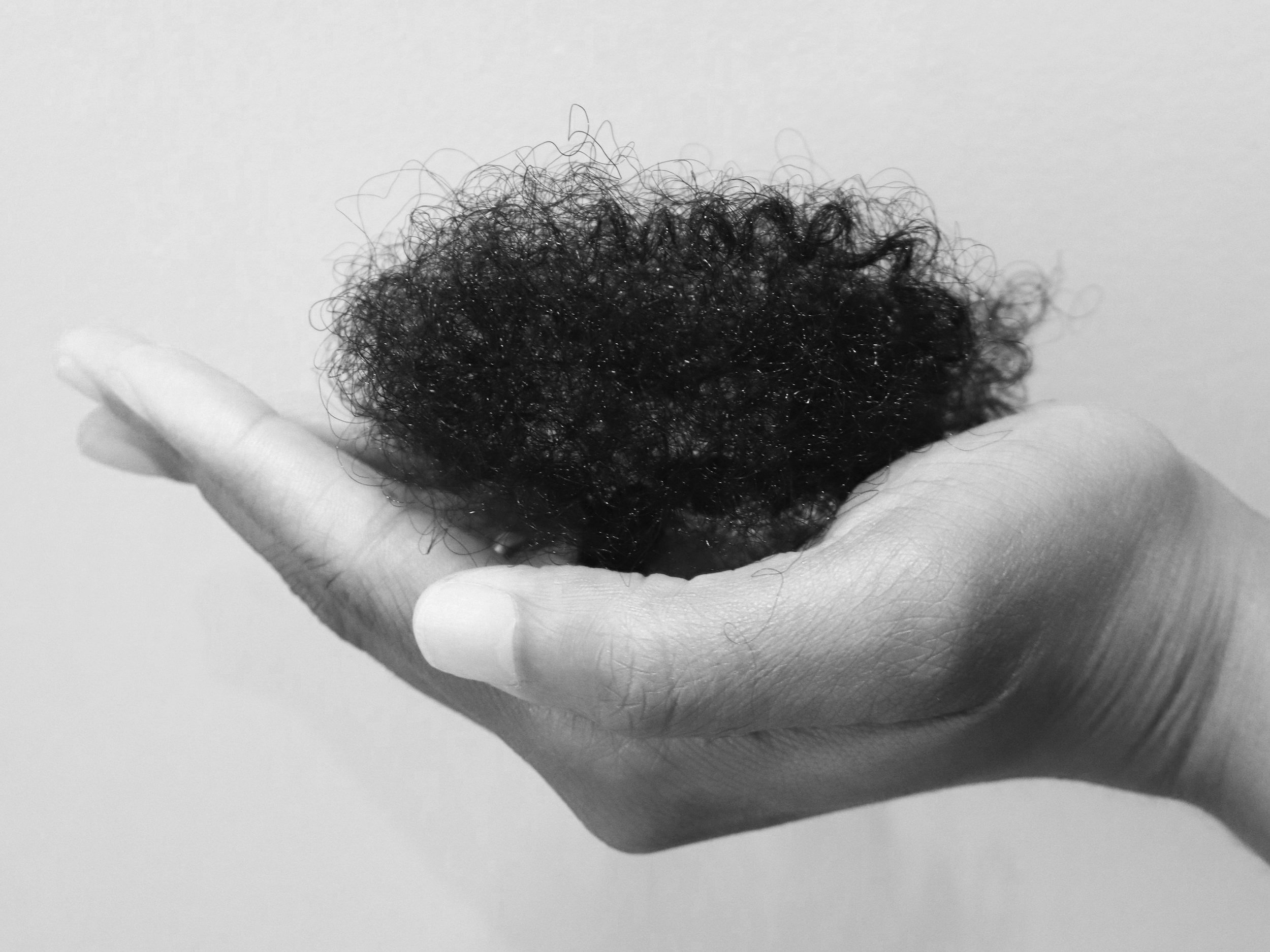
Knowing what you shouldn’t put in your hair is just as important as understanding what your hair needs
When it comes to hair care, choosing the right products key. Many of us look for products that promise strength and nourishment, but the promise isn’t always delivered.
If you’re like me, you’re always open to trying new products, but it’s important be aware that some ingredients can potentially damage our hair. Some of the ingredients found in shampoos, conditioners, and styling products can weaken the hair strands, irritate the scalp, or even contribute to hair loss over time.
To make your hair product selection easier, here’s a list of ingredients that we have to be careful with when using as they might damage the hair health.
Sulfates
Sulfates are cleansing agents that help shampoos lather and remove oil, dirt and product buildup. However, they can be too aggressive for your scalp and hair, stripping away the natural oils that keep your hair moisturized. The stripping of the natural oils (sebum) is of particular important for those of us who have tighter hair textures (curlyor coily hair) because of its reduced natural oil retention ability (discover more on this topic here). Prolonged use of sulfates can lead to dryness, scalp irritation, breakage, and hair thinning, especially for people with sensitive scalps or textured hair.
Sulfates you should avoid:
- Sodium Lauryl Sulfate (SLS)
- Sodium Laureth Sulfate (SLES)
- Ammonium Lauryl Sulfate
- Ammonium Laureth Sulfate
- Sodium Myreth Sulfate
- TEA Lauryl Sulfate
- TEA-Dodecylbenzenesulfonate
Tip: Opt for sulfate-free shampoos that use gentler alternatives like cocamidopropyl betaine or sodium cocoyl isethionate.
Parabens
Parabens are preservatives added to hair products to prevent the growth of mold, bacteria and fungus. However, parabens have been connected to scalp irritation, hormonal disruptions, and potentially hair loss. While there is still an ongoing debate about the long-term risks of parabens, avoiding them can help protect sensitive scalps and reduce the likelihood of irritation or adverse effects.
Parabens you should avoid:
- Methylparaben
- Ethylparaben
- Propylparaben
- Butylparaben
- Isobutylparaben
Tip: Look for products labeled "paraben-free," or choose natural preservatives like essential oils or vitamin E (tocopherol).
3. Formaldehyde-Releasing Agents
Some hair products contain chemicals that slowly release formaldehyde, a known carcinogen. Formaldehyde can irritate the scalp, lead to allergic reactions, and contribute to hair thinning or loss over time, especially when applied frequently. These ingredients are often used in keratin treatments and certain shampoos and conditioners.
Common Formaldehyde-Releasing Ingredients:
- DMDM Hydantoin
- Imidazolidinyl Urea
- Diazolidinyl Urea
- Quaternium-15
- Bronopol (2-Bromo-2-Nitropropane-1,3-Diol)
- Sodium Hydroxymethylglycinate
Tip: Avoid products containing these formaldehyde releasers and opt for natural alternatives like fruit acids for preservation.
4. Silicones
While silicones can give your hair a smooth, shiny finish, they can also build up on the hair shaft over time. This buildup can suffocate the hair, prevent moisture from penetrating, and ultimately lead to dry, brittle strands. Dryness and breakage are major contributors to hair thinning and loss, especially for textured hair.
Silicones you should avoid:
- Dimethicone
- Cyclomethicone
- Amodimethicone
- Cyclopentasiloxane
- Trimethylsilylamodimethicone
- Phenyl Trimethicone
Tip: Choose silicone-free products or those with water-soluble silicones (like dimethicone copolyol), which are easier to wash away and less likely to cause buildup.
5. Phthalates
Phthalates are used in hair products to help dissolve other ingredients and maintain fragrance. However, phthalates are endocrine disruptors, meaning they can interfere with your hormone levels, which may indirectly contribute to hair loss or other health issues. They are particularly harmful to those who are already sensitive to hormone imbalances.
Phthalates you should avoid:
- Diethyl Phthalate (DEP)
- Dimethyl Phthalate (DMP)
- Dibutyl Phthalate (DBP)
- Benzylbutyl Phthalate (BBP)
Tip: Look for fragrance-free or phthalate-free hair products, and choose essential oil-based fragrances as safer alternatives.
6. Alcohols
Some alcohols in hair products can be extremely drying to both your hair and scalp, leading to breakage and weakened hair follicles. While not all alcohols are harmful (fatty alcohols like cetyl alcohol and stearyl alcohol can actually be beneficial), short-chain alcohols can strip moisture from your hair, making it dry, brittle, and prone to falling out.
Drying Alcohols you should avoid:
- Isopropyl Alcohol
- Ethanol
- Denatured Alcohol
- Propanol
- SD Alcohol 40
Tip: Stick to products that use moisturizing alcohols like cetyl alcohol or stearyl alcohol, which help to lock in moisture.
7. Synthetic Fragrances
Synthetic fragrances in hair products can cause scalp irritation, allergic reactions, and in some cases, hair loss. Many synthetic fragrances contain allergens and chemicals, including phthalates, that can disrupt your scalp’s natural balance, leading to inflammation and damage to hair follicles.
Common Terms to Watch for:
- “Fragrance”
- “Parfum”
Tip: Opt for fragrance-free products or those scented with natural essential oils like lavender, peppermint, or rosemary.
Conclusion
Hair loss can be frustrating, discouraging and challenging to navigate, but having a more educated understanding of the ingredients in your hair care products can make a world of a difference. Staying away from harsh chemicals like certain sulfates, parabens, formaldehyde-releasing agents, and other potentially harmful compounds can help keep your hair strong and healthy. When shopping for hair products, always read the labels carefully and look for formulations that are gentle, nourishing, and free from known irritants.
By making smarter choices about the products you use, you’ll be able to protect your hair from unnecessary damage and enjoy healthier, more resilient hair over time.